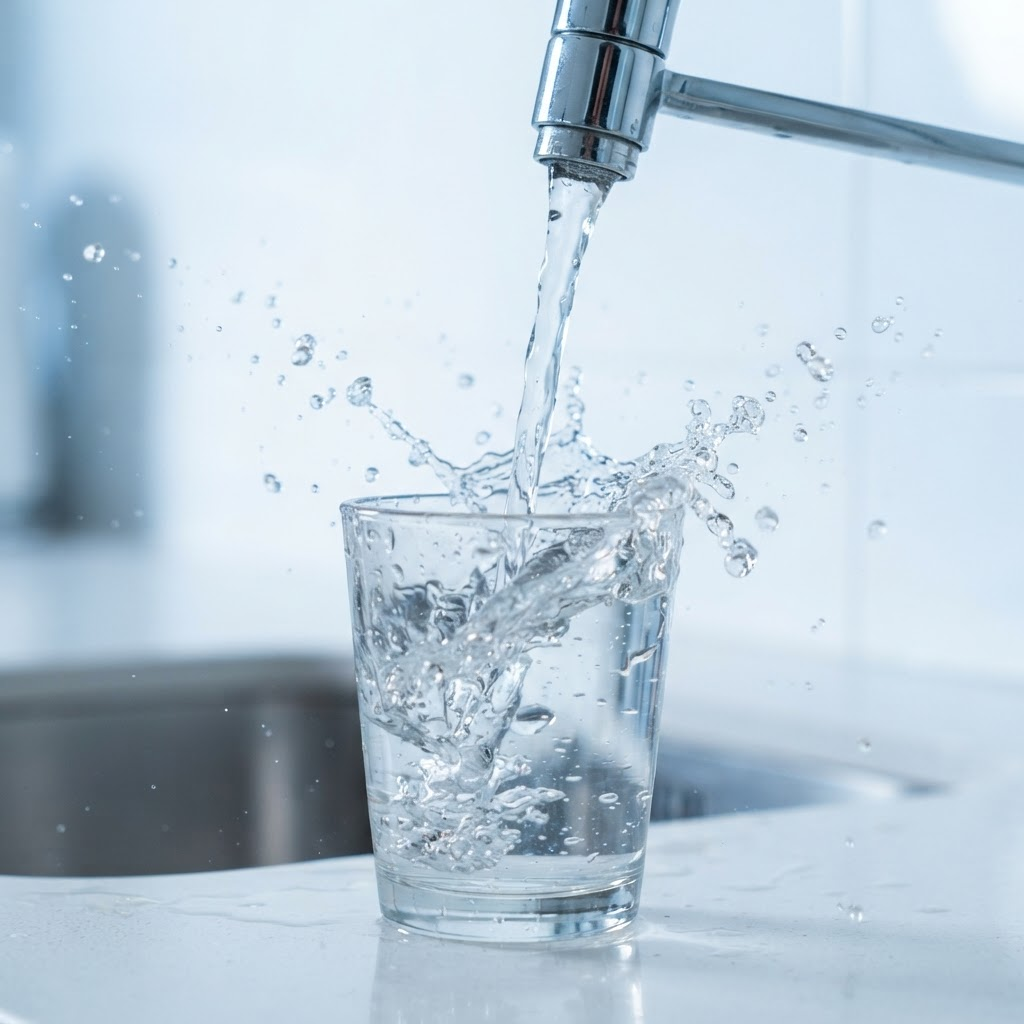
Treated water is not the same as clean water
Your water has been treated. Not purified.
- 2,100+contaminants identified in drinking water worldwideSource: WHO, 2022
- 1 in 3Australian water supply zones with detectable PFASSource: NHMRC / state water authority testing
- 23,000PFAS-affected sites mapped globally, including Australian defence basesSource: Global PFAS analysis, 2024
Compliant does not mean pure
PFOA is classified as a confirmed carcinogen (Group 1) by the IARC. These chemicals persist in the environment indefinitely and accumulate in the body.
PFOA = GROUP 1 CARCINOGEN (IARC 2023)IARC / WHO classificationAustralian water utilities test for more than 100 pesticides. Routine monitoring regularly finds trace levels that pass through conventional treatment.
Australian Drinking Water GuidelinesThe WHO confirms there is no safe level of lead exposure. Many Australian homes built before the 1990s still contain lead-based solder in their plumbing.
WHO — Lead and healthNaturally present in water and added by most Australian utilities. Excess fluoride is linked to dental and skeletal issues, and some regions naturally exceed the WHO recommended limit.
WHO Guidelines, 4th ed.Why a single layer isn't enough
“The most effective means of consistently ensuring the safety of a drinking-water supply is through the use of multiple barriers.”— WHO, Guidelines for Drinking-water Quality, 4th edition, 2022
6 barriers. 6 mechanisms. One cartridge.
Size exclusion — rust flakes, sand, pipe scale and suspended sediment are physically too large to pass through the fibre matrix. Water and dissolved minerals pass straight through.
Media: Non-woven fibreAvg. reduction 99%Chlorine, chloramine, THMs, volatile organic compounds and the odours that ruin tea and coffee bond to the enormous internal surface area of the carbon block.
Media: Coconut shell carbonAvg. reduction 98–99%A redox reaction converts free chlorine into harmless chloride and reduces dissolved heavy metals into insoluble forms that are captured downstream.
Media: KDF-55 Cu/Zn alloyAvg. reduction 95–99%Granular activated carbon engineered specifically for long and short-chain PFAS. The EPA lists GAC among its Best Available Technologies for PFAS removal.
Media: Modified GACAvg. reduction up to 99%A second, dedicated pass for lead, cadmium, mercury and copper, catching what redox media alone leaves behind at Australian flow rates.
Media: Ion-exchange resinAvg. reduction 95–99%A mineral adsorbent that captures fluoride ions while deliberately leaving calcium and magnesium in the water, so it still tastes like water.
Media: Mineral adsorbentAvg. reduction 90–98%
Tap water enters
- 01Mechanical Pre-Filtration
- 02Coconut Shell Carbon Block (CTO)
- 03KDF Copper-Zinc Media
- 04Dedicated PFAS Reduction Media
- 05Heavy Metal Specific Media
- 06Fluoride Reduction Media
Purified water
OzFlow cartridge performance
- ChlorineCarbon adsorption98–99%
- Rust & sandMechanical filtration99%
- LeadElectrochemical reduction95–99%
- Heavy metalsKDF + dedicated media95–99%
- PFASMolecular adsorptionup to 99%
- FluorideMineral adsorption90–98%
Total PFAS
(NSF/ANSI 53)
Forever chemicals (PFAS/PFOS) build up in the body and never break down. They are present in most tap water supplies.
Avg. reduction99%Microplastics
(NSF/ANSI 401)
Microplastics are increasingly found in tap water. They now show up in human blood, placentas and brain tissue.
Avg. reduction100%Lead
(NSF/ANSI 53)
There is no safe level of lead exposure, especially for children and developing brains. Older plumbing is the usual source.
Avg. reduction99%Estrone
(NSF/ANSI 401)
Estrone enters the water supply from human and animal waste and can disrupt normal hormone function.
Avg. reduction99%Chlorine taste & odour
(NSF/ANSI 42)
The single most common complaint about Australian tap water. Chlorine is what makes water taste like a swimming pool.
Avg. reduction99%
The studies that validate each technology
PFAS removal by GAC: 92–100% at full scale
Belkouteb et al. — Water Research, 2020
Granular activated carbon removed 92–100% of 15 PFAS compounds at a full-scale treatment plant.
EPA: GAC is a "Best Available Technology" for PFAS
US EPA — April 2024
The EPA designated granular activated carbon among its Best Available Technologies for meeting new PFAS limits.
WHO: multi-barrier approach for water safety
WHO Guidelines for Drinking-water Quality, 4th edition, 2022
The WHO recommends multiple independent barriers as the foundational strategy for drinking water safety.
Fluoride reduction: mineral media 3x more effective
Water Research, 2023
Mineral-based adsorbent media outperformed activated alumina by a factor greater than three.
Microplastics detected in human blood
Environment International, 2022
Plastic particles were identified in the blood of 77% of healthy adult donors tested.
KDF redox media for chlorine and heavy metals
Journal of Water Process Engineering, 2021
Copper-zinc redox media achieved sustained chlorine conversion with no loss of beneficial minerals.
What OzFlow is not
Reverse osmosis
- Wastes 3–5 litres for every 1 litre filtered
- Complete demineralisation — strips calcium and magnesium
- Requires a pressure tank under your sink
- Professional installation and ongoing servicing
- Slow flow rate — you wait for your glass
OzFlow (advanced)
- Zero waste — 100% of the water is used
- Preserves essential minerals your body needs
- No tank — connects directly to your existing tap
- Installs in 30 seconds, no tools required
- Full pressure, filtered on demand
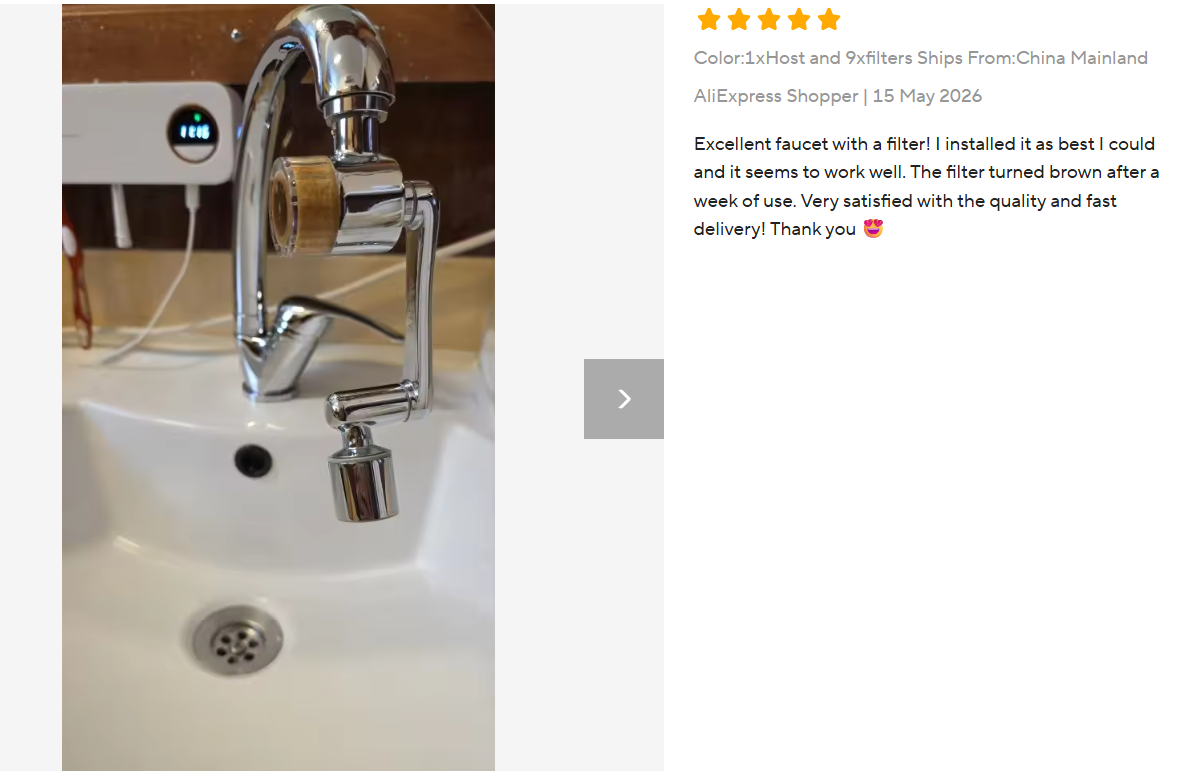
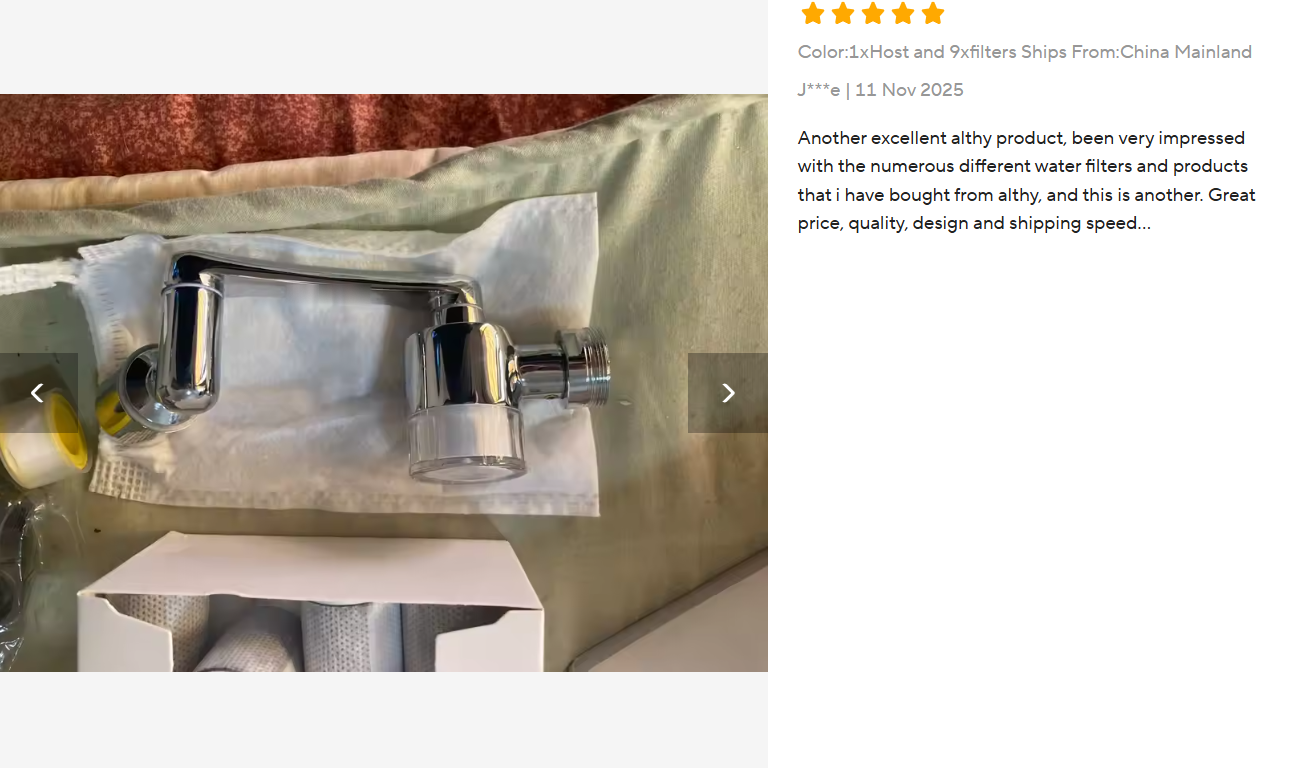
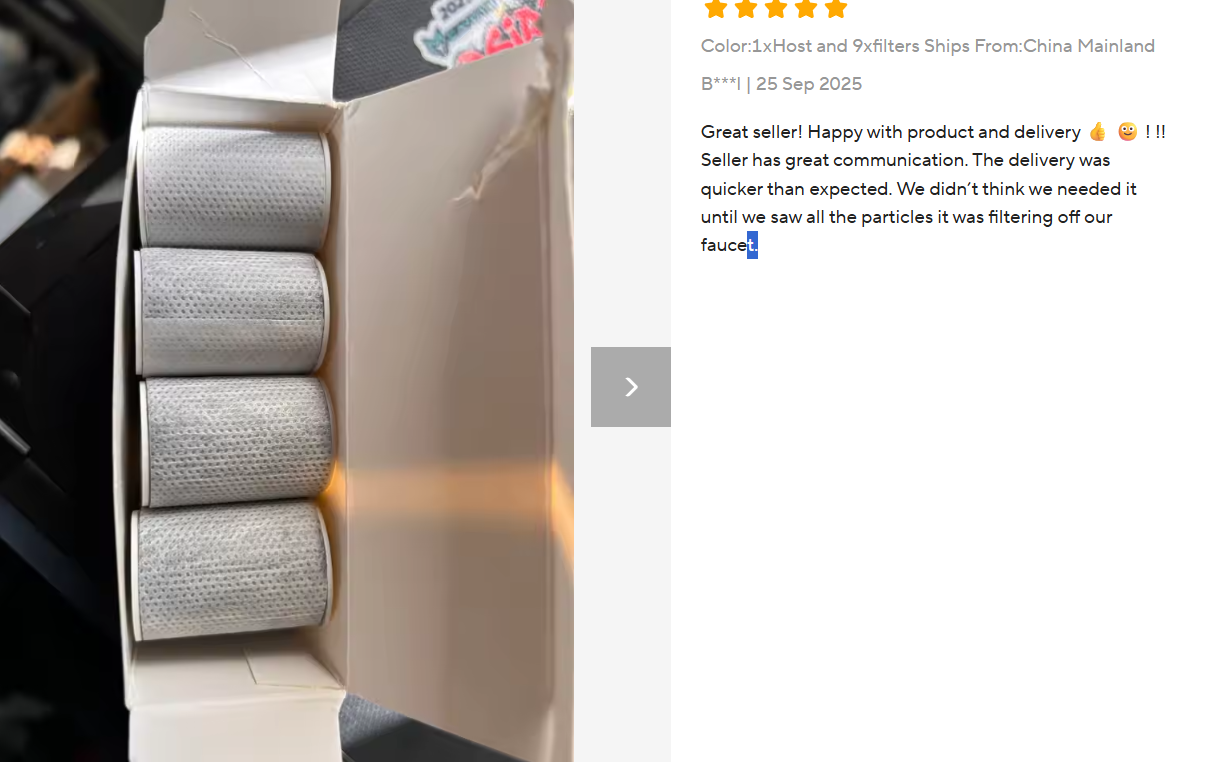
See it for yourself
Anonymous
Verified buyer
B.
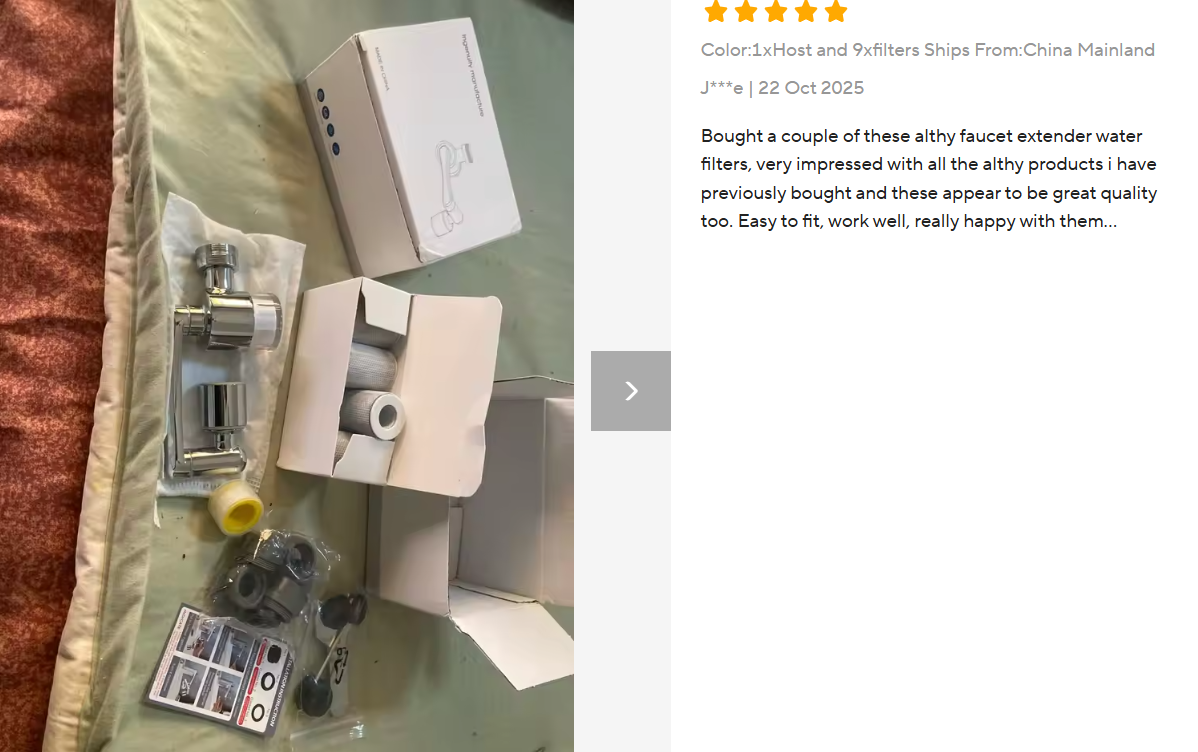
Returning customer
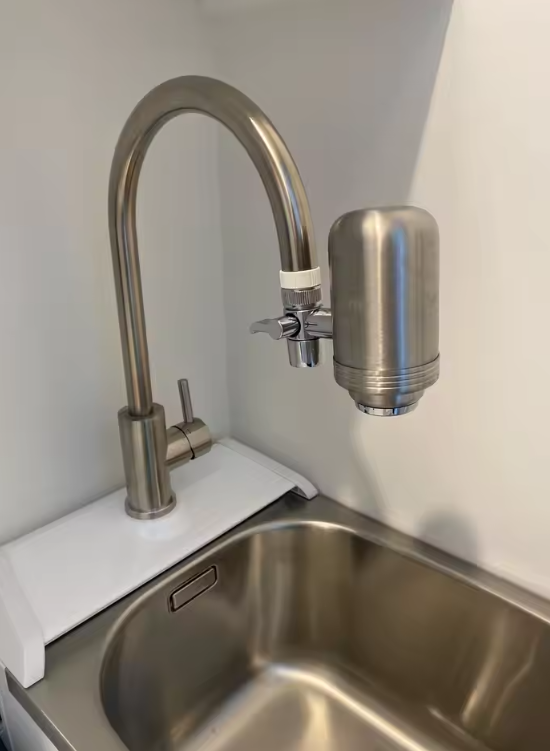
Marcus T.
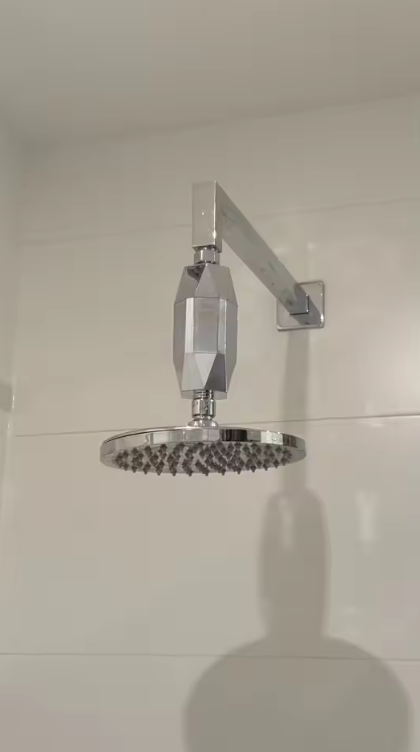
Priya S.
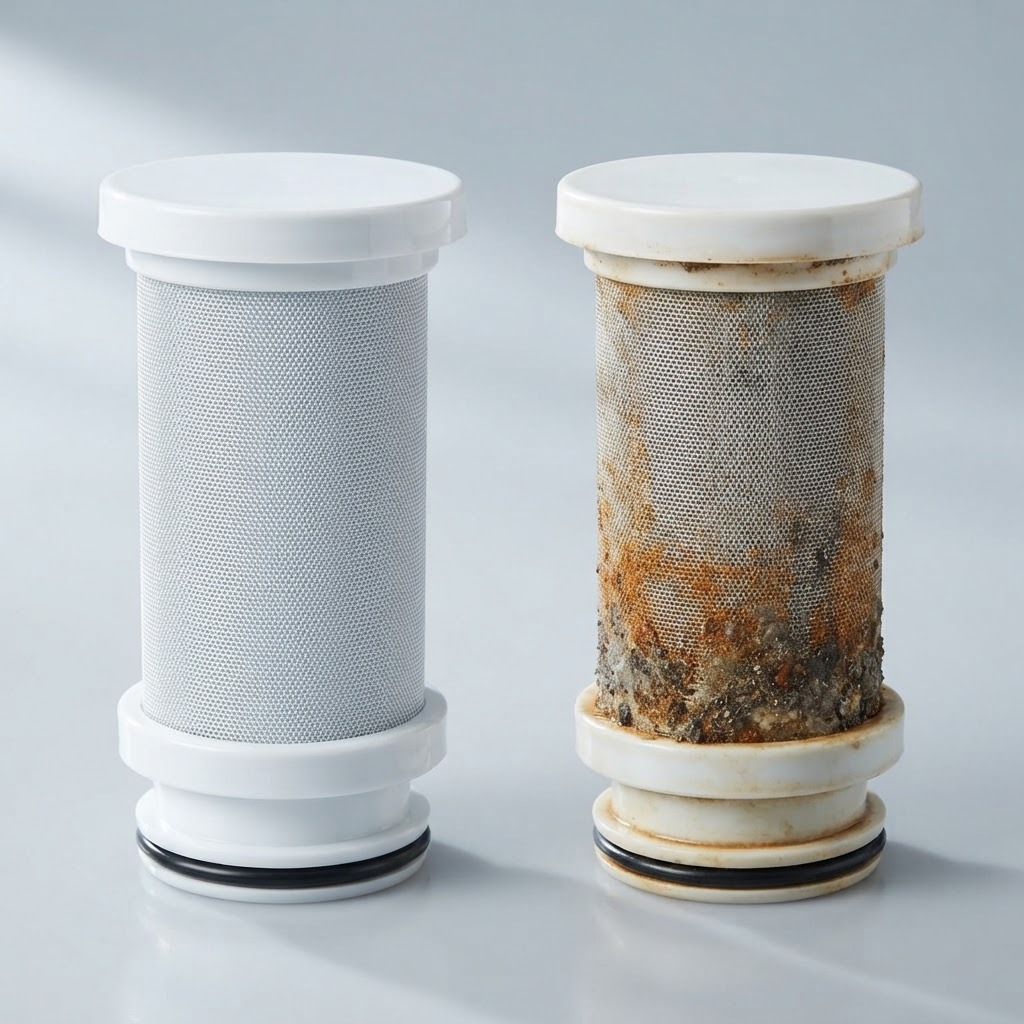
Dave R.
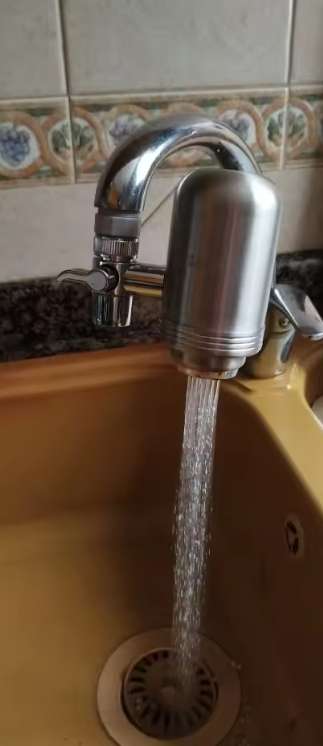
Hannah W.
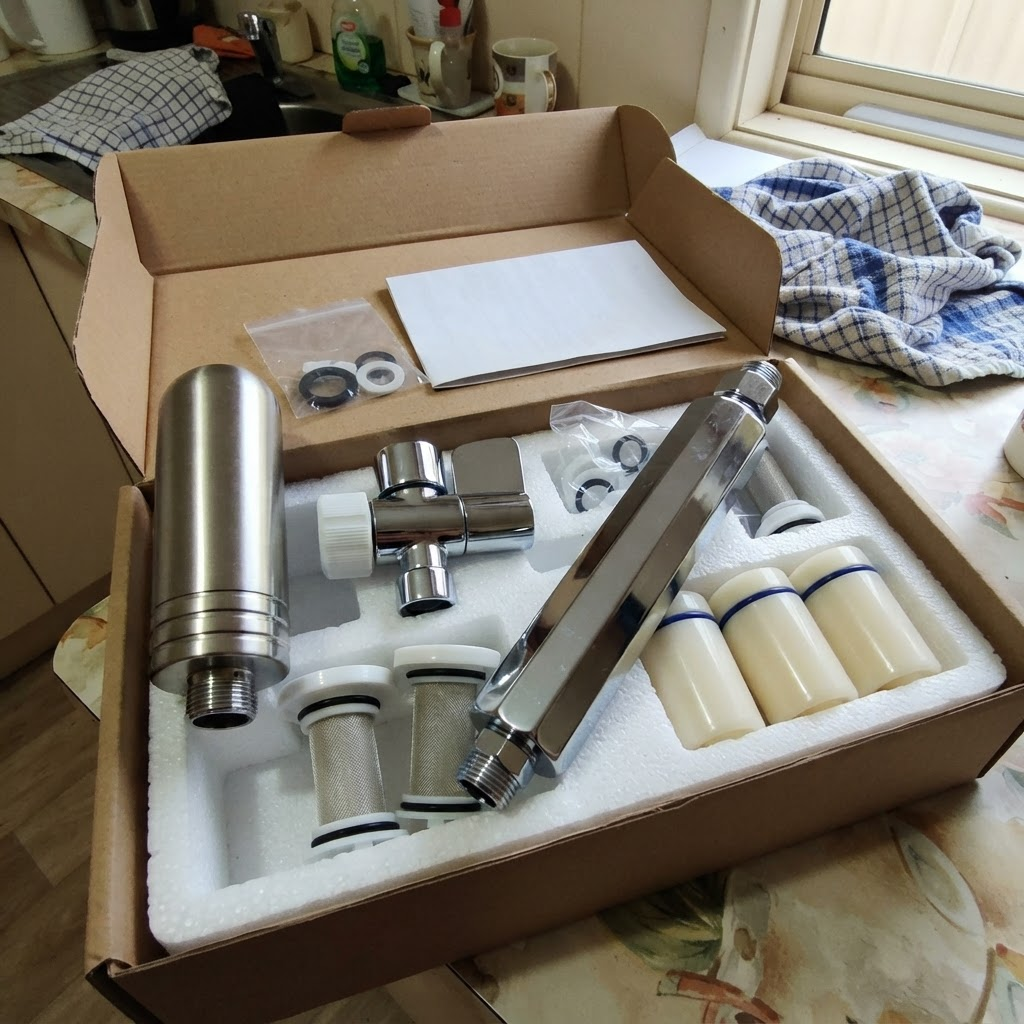
Liam & Jess
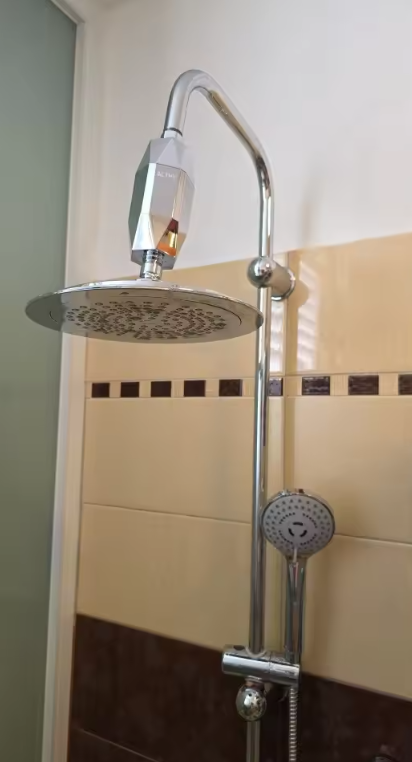
Nathan P.
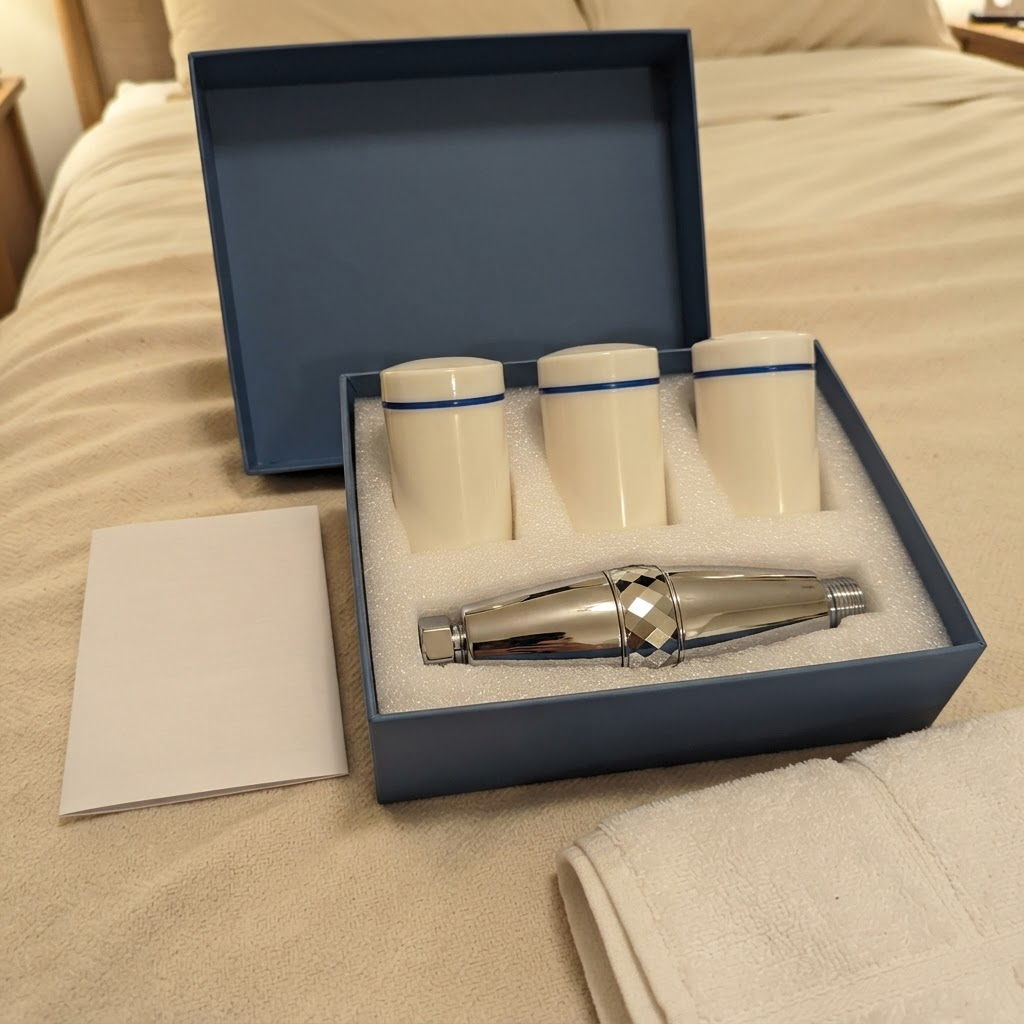
Wendy O.
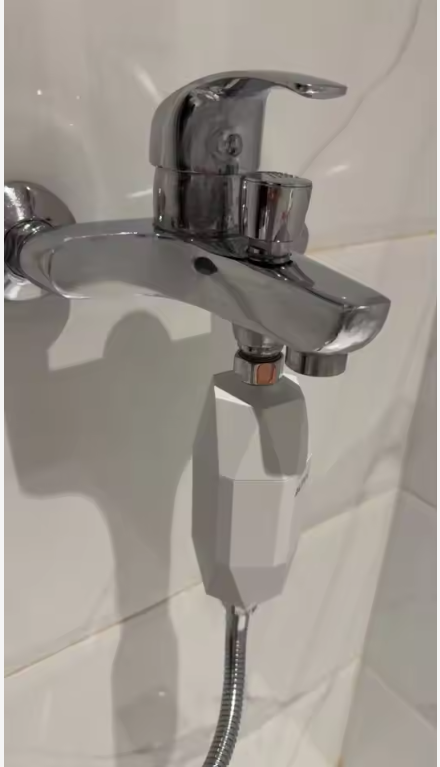
Michael B.
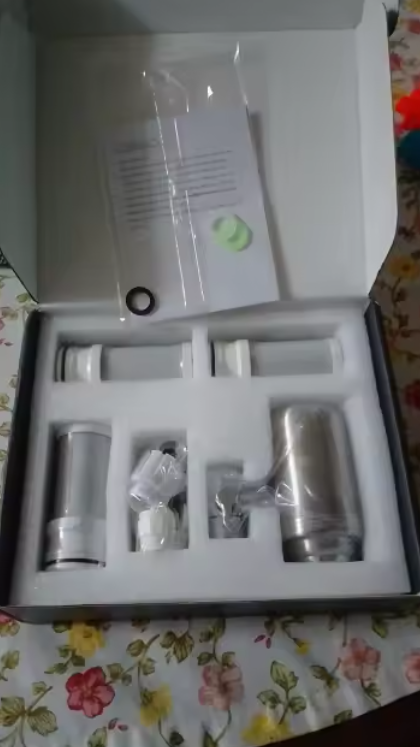
Elena V.
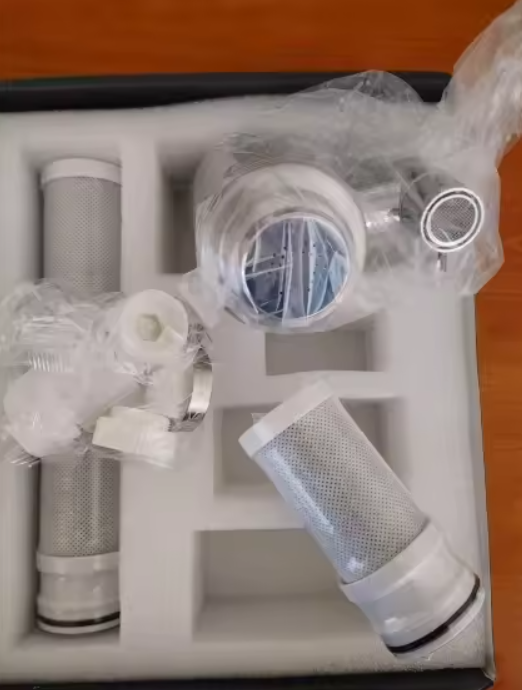
Josh L.
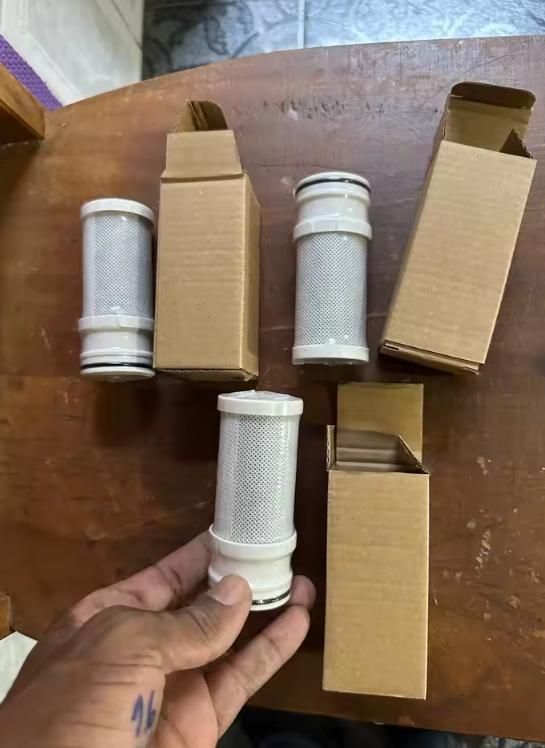
Sarah D.
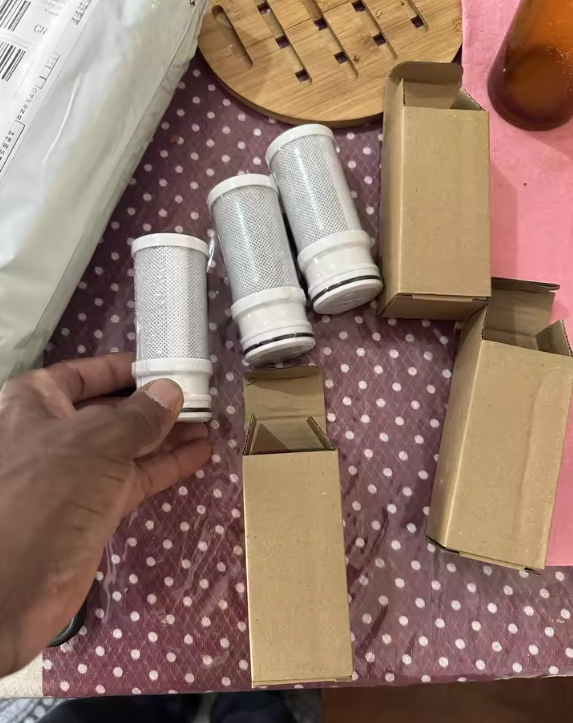
Amir R.
Fair questions
Yes — it meets the Australian Drinking Water Guidelines when it leaves the treatment plant. Those guidelines set legal maximum limits at scale, not zero, and they cannot account for what your specific street mains and household plumbing add along the way. Filtration handles that last mile between the mains and your glass.
RO works, but it wastes 3–5 litres for every litre it filters, strips out the calcium and magnesium your body needs, needs a pressure tank under the sink and usually a plumber. OzFlow uses six targeted barriers instead: zero waste, minerals retained, full pressure, 30-second install.
It is roughly 300 times more expensive per litre, carries a significant plastic footprint, and independent testing regularly finds microplastics in bottled water too — one study detected plastic particles in the blood of 77% of healthy adult donors.
A jug filter is loose granular carbon and typically improves taste only. There is no dedicated PFAS media, no redox stage for heavy metals and no micron-rated membrane, so fine particles pass straight through. OzFlow pushes water through six stages under mains pressure.
Filter media has a finite capacity. Once carbon is saturated it stops adsorbing and can release what it has already captured. A fresh cartridge each month holds performance at 100% — which is exactly why the subscription is $99 for three.
Fix your water in the next five minutes
The OzFlow Water Purifier System fits the kitchen tap you already own and filtersevery glass you drink — $134.25 (was $179), with free shipping and 60 nights to change your mind. Add any second product and save a further 15%.